Tile as Art: How Large-Scale Ceramic Murals Are Transforming Architectural Spaces
- Home
- Utility
- News & Blogs
- Tile as Art: How Large-Scale Ceramic Murals Are Transforming Architectural Spaces
Tile as Art: How Large-Scale Ceramic Murals Are Transforming Architectural Spaces
Tile as Art: How Large-Scale Ceramic Murals Are Transforming Architectural Spaces
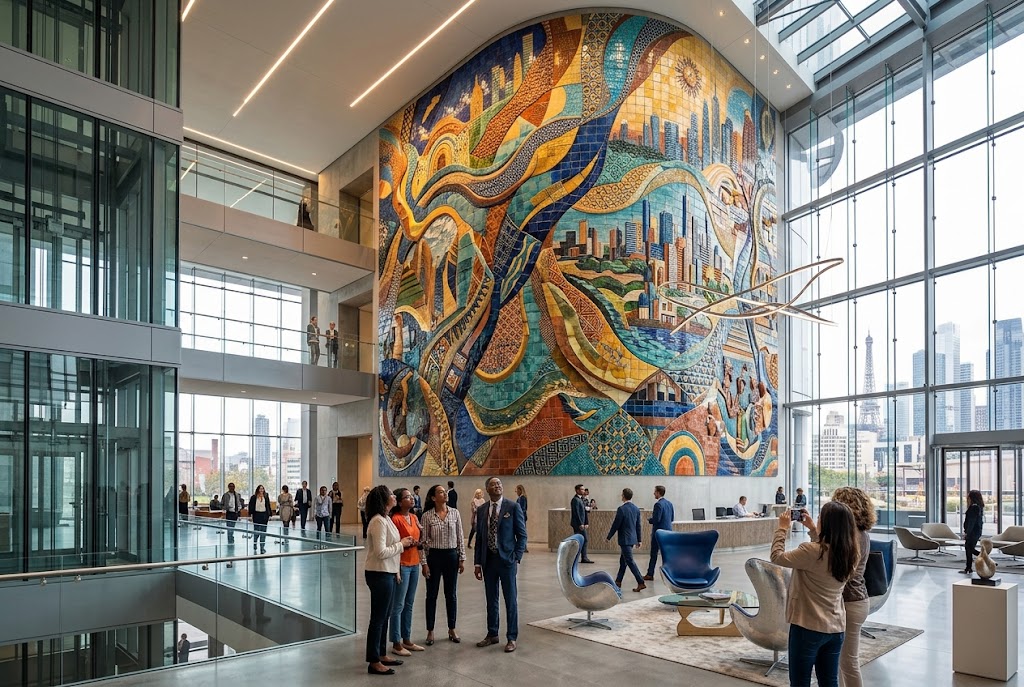
Ceramic tiles are no longer limited to flooring and wall coverings. Across contemporary architecture and interior design, they are increasingly being used as artistic elements that bring color, texture, storytelling, and individuality into built environments. From decorative kitchen backsplashes to monumental hotel feature walls, large-scale ceramic murals are transforming ordinary surfaces into distinctive architectural experiences.
From Functional Surfaces to Artistic Expression
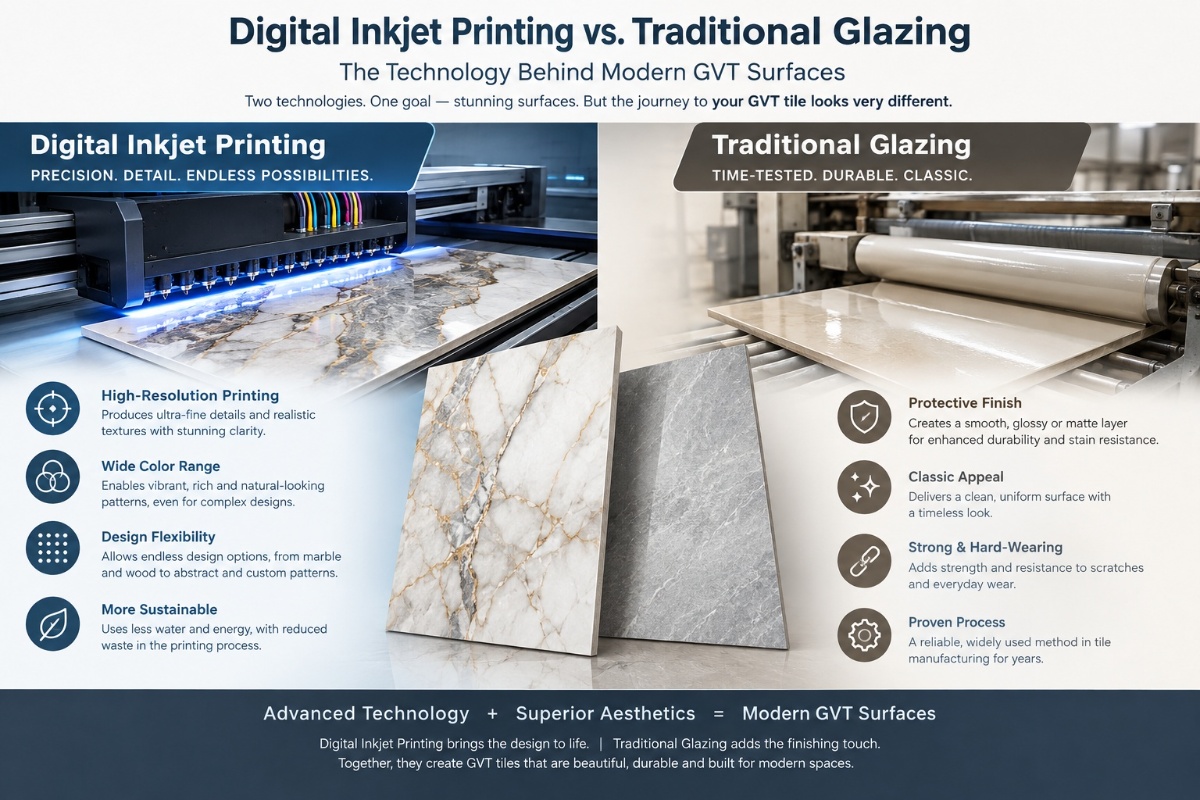
Modern ceramic technology has expanded the creative possibilities of tile design. Digital printing, advanced glazing, textured finishes, and precision manufacturing allow designers to develop intricate patterns, detailed illustrations, and coordinated compositions across multiple tiles.
Instead of treating each tile as an individual decorative piece, designers can arrange entire collections into continuous murals featuring botanical motifs, abstract compositions, geometric patterns, landscapes, or culturally inspired artwork.
This approach is particularly attractive for hospitality projects, luxury residences, restaurants, retail environments, and public buildings seeking a memorable visual identity.
Technology Meets Creativity
Large-scale ceramic murals combine artistic vision with technical precision. High-definition digital printing makes it possible to reproduce detailed imagery, while specialized surface treatments introduce depth and tactile character.
Designers can work with a variety of formats, including square tiles, rectangular panels, and large-format porcelain slabs. Careful planning of tile dimensions, grout joints, image alignment, and installation layouts helps maintain visual continuity across the finished surface.
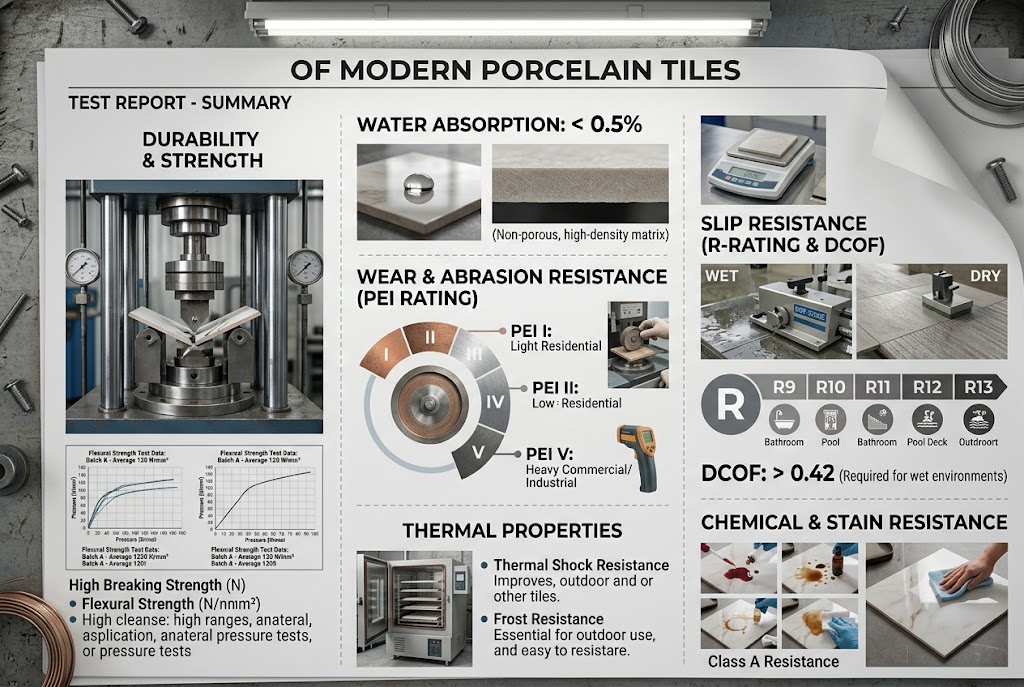
The result is a balance between creative expression and the practical advantages of ceramic materials, including easy maintenance and resistance to moisture when appropriately specified.
Where Ceramic Murals Are Making an Impact
Architectural murals are finding new applications across different spaces:
-
Hospitality and hotels: Artistic reception walls, restaurant feature surfaces, and decorative installations that reinforce a property's design identity.
-
Residential interiors: Personalized kitchen backsplashes, bathroom feature walls, and statement surfaces that introduce color and character.
-
Retail and commercial spaces: Branded decorative installations that create distinctive environments and memorable customer experiences.
-
Public and cultural architecture: Ceramic artwork that incorporates local heritage, visual storytelling, and contemporary artistic interpretation.
-
The growing interest in expressive interiors is also reflected in recent design coverage, where decorative kitchen backsplashes and personalized mural surfaces are being used to turn functional areas into artistic focal points.
The Future of Ceramic Mural Design
As ceramic manufacturing continues to advance, the relationship between art and architectural surfaces is becoming increasingly flexible. Custom artwork, digitally developed patterns, tactile finishes, and coordinated large-format designs are opening new opportunities for architects, interior designers, and tile manufacturers.