Future Growth of Porcelain Tiles Industry in Global Construction Markets (2026)
- Home
- Utility
- News & Blogs
- Future Growth of Porcelain Tiles Industry in Global Construction Markets (2026)
Future Growth of Porcelain Tiles Industry in Global Construction Markets (2026)
Future Growth of Porcelain Tiles Industry in Global Construction Markets
The porcelain tiles industry is rapidly expanding as global construction activity increases across residential, commercial, and infrastructure projects. Known for their durability, low maintenance, and modern design appeal, porcelain tiles have become one of the most preferred surface materials in architecture and interior design. With growing urbanization and infrastructure development worldwide, the industry is expected to witness strong long-term growth.
The global ceramic and porcelain tiles market was valued at over USD 226 billion in 2025 and is projected to reach around USD 380 billion by 2033, growing at a steady annual rate of about 6–7%. This growth is largely supported by rising construction activities, renovation projects, and the demand for modern building materials.
Below are five key factors driving the future growth of porcelain tiles in global construction markets.
1. Rapid Urbanization and Infrastructure Development
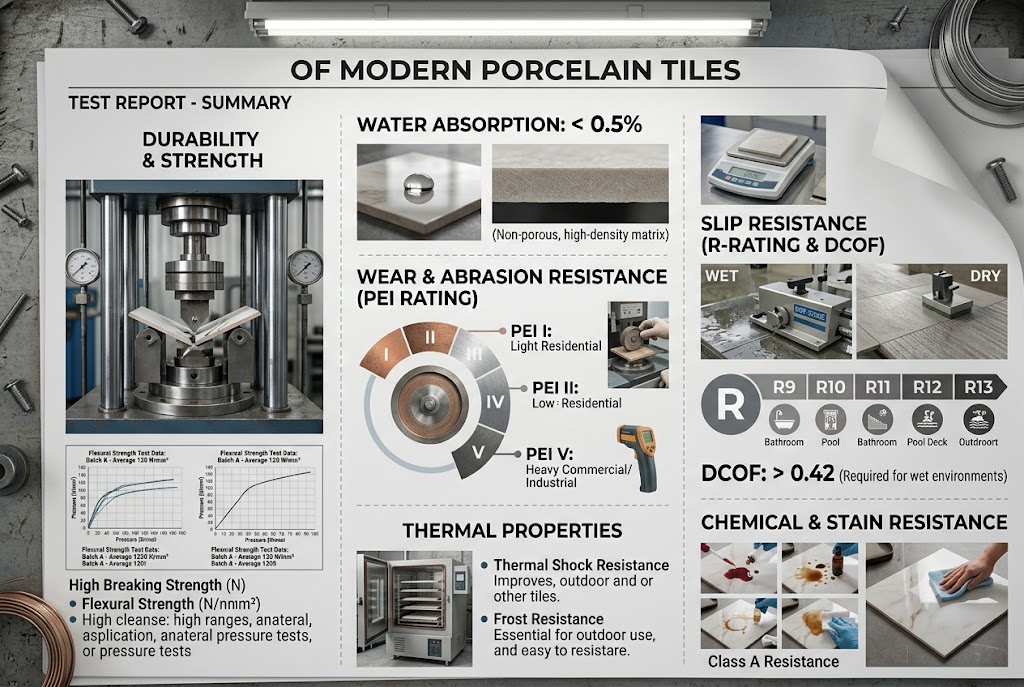
Urbanization is one of the biggest drivers of porcelain tile demand worldwide. As cities expand and new housing projects emerge, developers require durable and cost-effective flooring and wall solutions. Porcelain tiles are widely used in apartments, office complexes, airports, hospitals, and commercial buildings because they offer long life and resistance to moisture and wear. With governments investing heavily in infrastructure and smart city projects, demand for porcelain tiles is expected to continue rising in the coming decade.
2. Growing Demand for Modern Interior Design
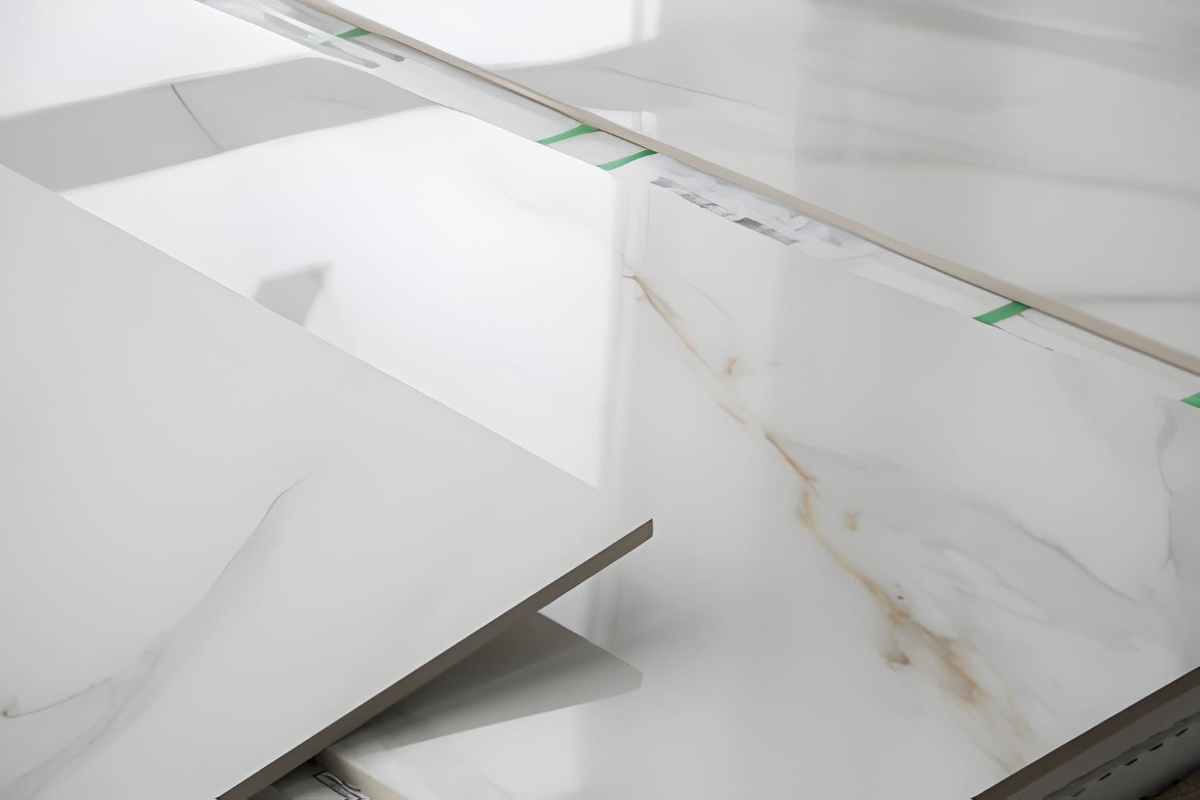
Modern architecture and interior design trends are also boosting porcelain tile demand. Designers increasingly prefer marble-look, stone-effect, terrazzo, and wood-effect porcelain tiles because they combine natural aesthetics with superior durability. Large format porcelain slabs and digitally printed surfaces are becoming popular in luxury homes, hotels, and commercial spaces, helping the industry expand into premium construction markets.
3. Expansion of Renovation and Remodeling Projects
Another major growth driver is the global increase in renovation and remodeling activities. Many homeowners and property developers are upgrading older buildings with modern materials that are easier to maintain. Porcelain tiles are favored in renovation projects because they are scratch resistant, water resistant, and easy to clean, making them ideal for kitchens, bathrooms, and high-traffic areas. Renovation projects are expected to grow faster than new construction in several developed markets.
4. Technological Innovations in Tile Manufacturing
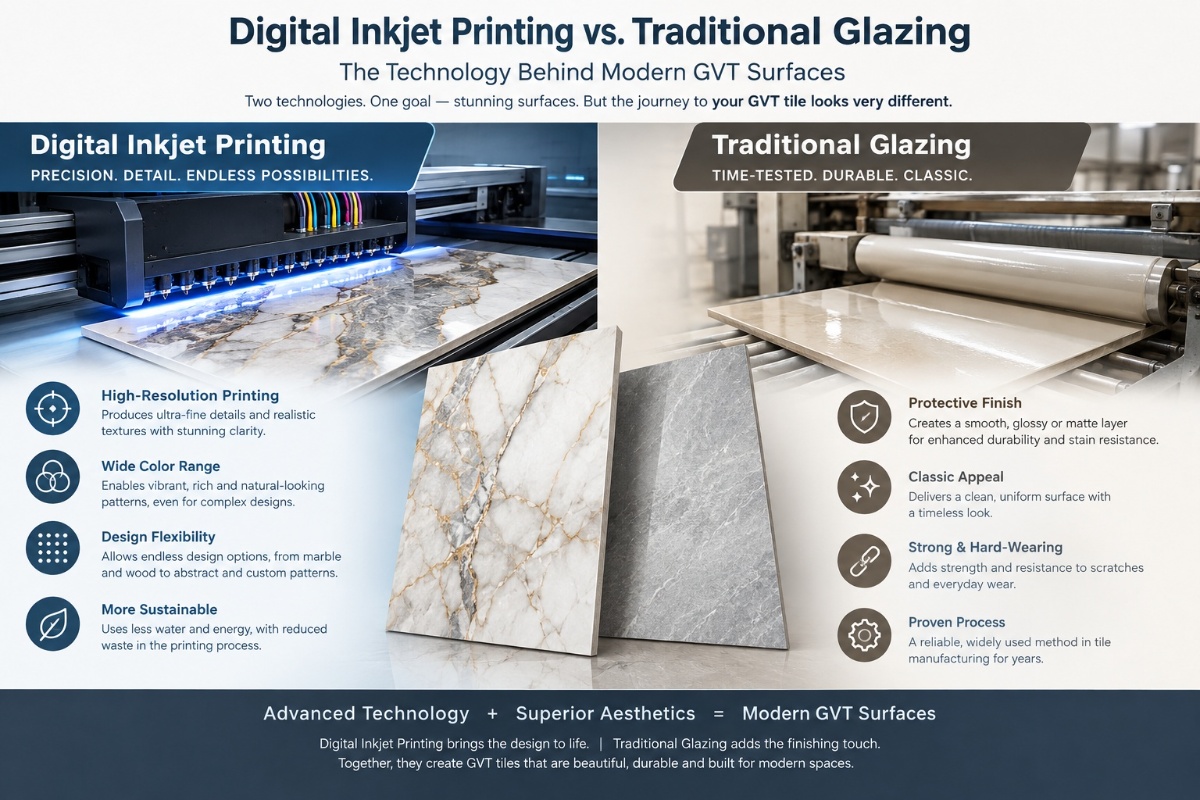
Advancements in manufacturing technology are transforming the porcelain tiles industry. Digital inkjet printing, advanced kiln technologies, and automated production systems allow manufacturers to create highly realistic textures and designs. These innovations enable companies to produce large format slabs, ultra-thin tiles, and high-definition surfaces, making porcelain tiles more attractive for modern architecture and high-end projects.
5. Expanding International Trade and Export Markets
Global demand for porcelain tiles is growing rapidly across North America, Europe, the Middle East, and Africa. Countries such as India, China, Spain, and Italy have become major exporters supplying tiles to international construction markets. As global building activity increases, international trade in ceramic and porcelain tiles is expected to expand significantly, creating new opportunities for manufacturers and exporters worldwide.
The future of the porcelain tiles industry looks highly promising as construction, infrastructure, and interior design markets continue to expand worldwide. With strong growth projections, technological innovation, and increasing global demand for durable and stylish surfaces, porcelain tiles will remain one of the most important materials in modern architecture and construction.