Modern Porcelain Tiles: How Technology Is Changing Tile Design
Porcelain tiles have been a cornerstone of interior and architectural design for decades — prized for their durability, moisture resistance, and visual appeal. But in 2026, they’ve evolved far beyond purely functional surfaces. Thanks to rapid advancements in manufacturing technology, digital design tools, and material innovation, modern porcelain tiles are now at the forefront of both aesthetic trends and performance breakthroughs.
1. Digital Printing: Redefining Aesthetics and Customization
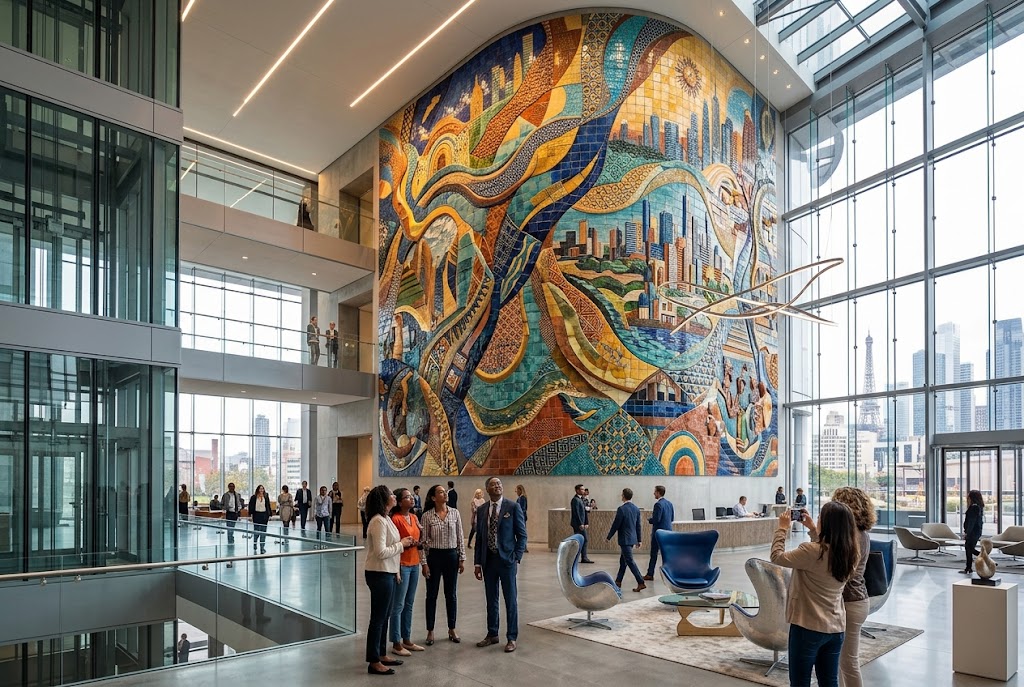
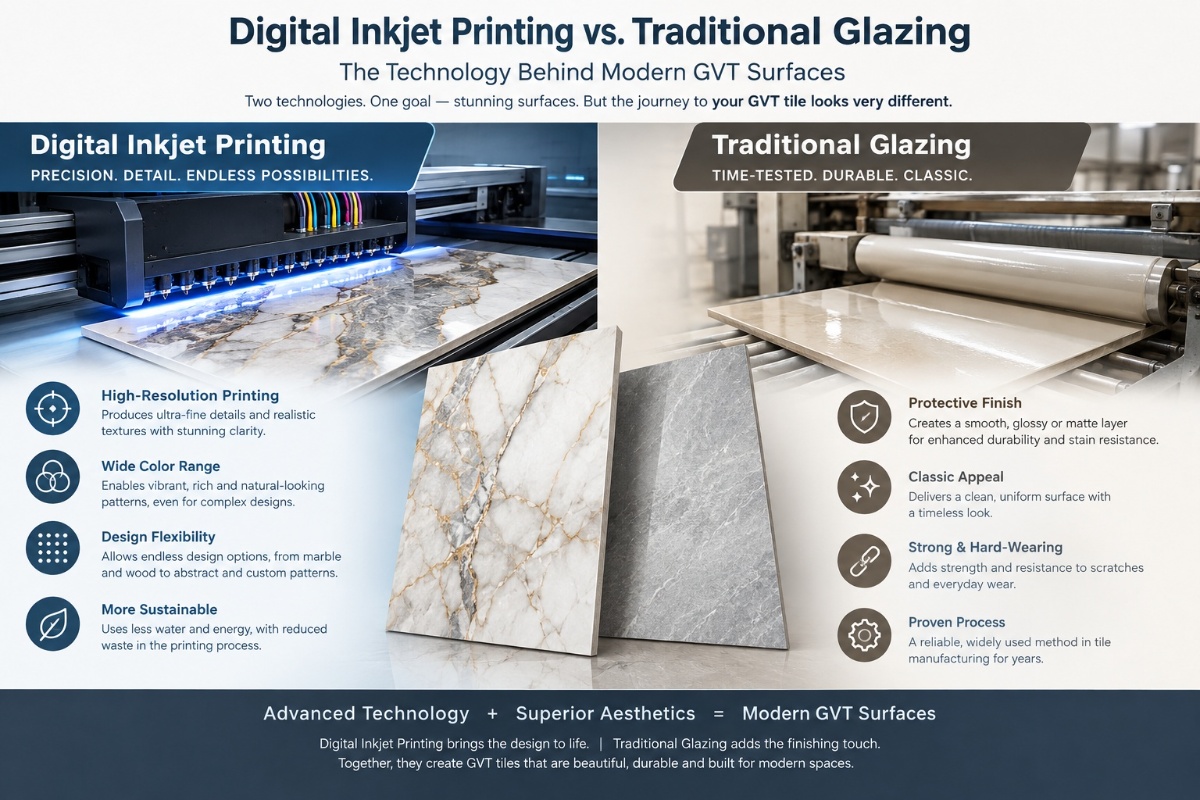
The biggest revolution in tile design today is undoubtedly digital inkjet printing. Unlike traditional screen printing, which was limited to repetitive patterns and simpler graphics, digital systems can produce high-resolution, photorealistic surfaces — including wood grain, concrete, stone, and even bespoke artistic motifs — with incredible detail and color accuracy.
This has opened up endless possibilities:
-
Hyper-realistic visuals that mimic natural materials without the cost or maintenance
-
Custom designs and limited editions for architects and homeowners
-
Shorter production times with lower waste and greater sustainability
Today, digital printing is becoming standard in tile manufacturing, allowing brands to respond to evolving design demands faster than ever.
2. Large-Format & Slim Slabs: Seamless Modern Surfaces
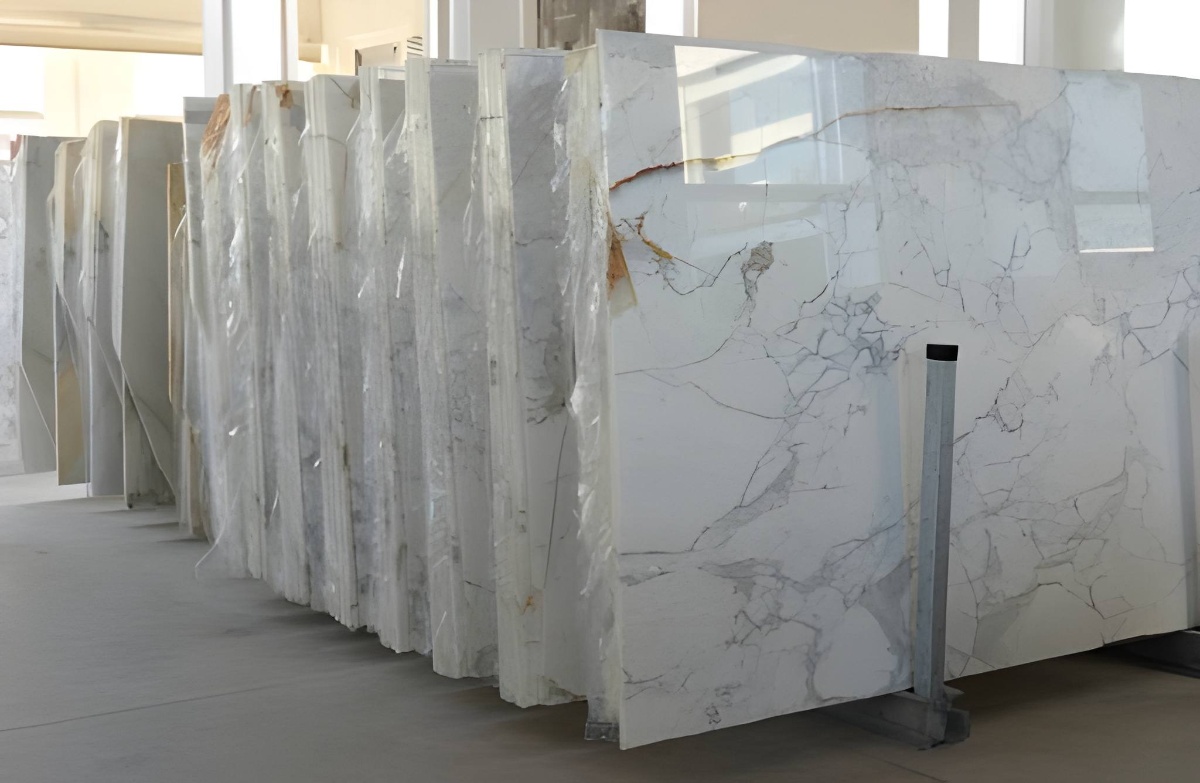
Modern interiors increasingly favour large-format porcelain slabs — tiles that go well beyond classic sizes to dimensions like 1200×2400 mm and larger. These expansive pieces minimise grout lines, create smoother visual flow, and elevate spaces with a sense of continuity and sophistication.
The trend isn’t just about aesthetics:
-
Slim parquet-style slabs are lighter and easier to install
-
Less visible joints mean easier maintenance and a cleaner look
-
Ideal for open-plan areas, luxury bathrooms, and feature walls
Architects and designers increasingly specify this format for high-end residential and commercial interiors because it offers a monolithic, architectural quality that was once only achievable with natural stone.
3. Nano Technology & Surface Innovation
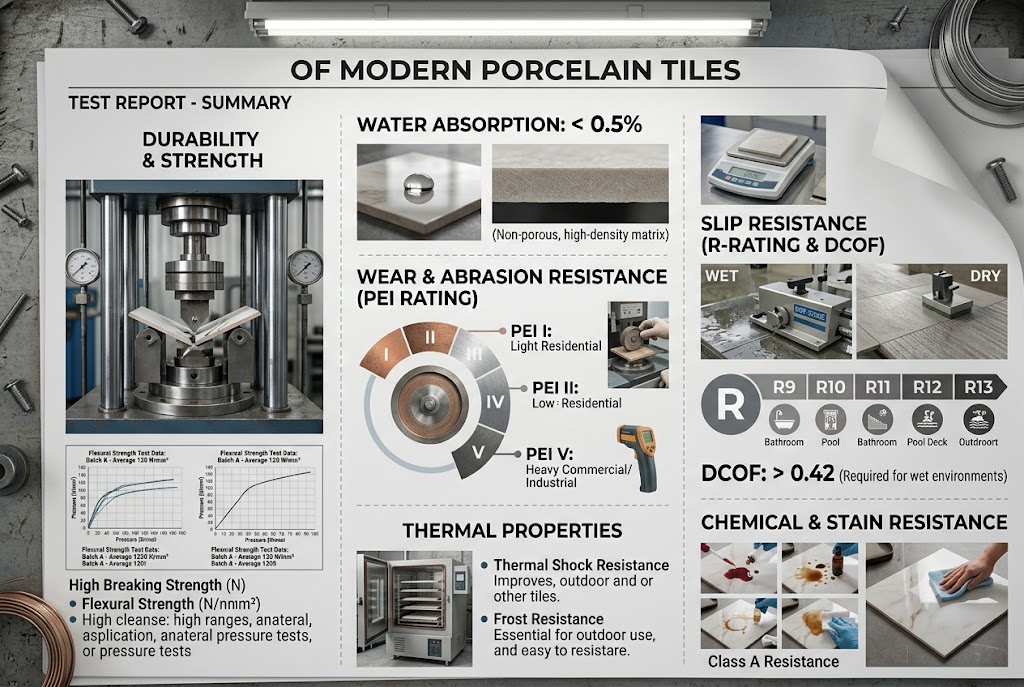
Beyond looks, technology is enhancing porcelain tile performance. Modern surface coatings — including nano-glazes and advanced sealants — provide invisible protection, repelling water, oil, and dirt while retaining gloss and colour over time.
These improvements translate into real benefits:
-
Easier cleaning and longer surface life
-
Better resistance to wear, scratches, and fading
-
Greater moisture resistance for bathrooms, kitchens, and outdoor areas
This kind of functional innovation makes porcelain even more compelling than traditional materials like wood, stone, or vinyl.
4. Textures, Tactile Finishes & Design Trends
Today’s porcelain tiles do more than just look good — they feel good too. Textured surfaces, three-dimensional finishes, and layered glazes add depth and emotion to spaces without loud patterns or bold colours.
Trending styles include:
-
Soft matte finishes and undulated surfaces
-
Concrete-effect and wood-grain textures
-
3D motifs and geometric sculpting
These tactile advances let designers create environments that are both stylish and welcoming.
5. Sustainability and Eco-Forward Production
As sustainability rises in priority across industries, porcelain tile manufacturers are adopting greener practices and materials. Advances include:
-
Low-VOC and water-based inks
-
Reduced waste through precise digital production
-
Eco-friendly formulations and recycled inputs
This aligns with global trends toward responsible design and helps tiles contribute positively to certifications like LEED or BREEAM — attractive features for commercial projects and eco-conscious homeowners.