Tiles Are Not Just Surfaces They Are Structural Design Solutions
- Home
- Utility
- News & Blogs
- Tiles Are Not Just Surfaces They Are Structural Design Solutions
Tiles Are Not Just Surfaces They Are Structural Design Solutions
Tiles Are Not Just Surfaces — They Are Structural Design Solutions
Tiles have evolved far beyond their traditional role as decorative finishes. In modern architecture and construction (as of 2026), tiles—especially porcelain and vitrified types—are now considered integral design elements that influence structure, performance, and spatial experience.
From Surface to Structural Function
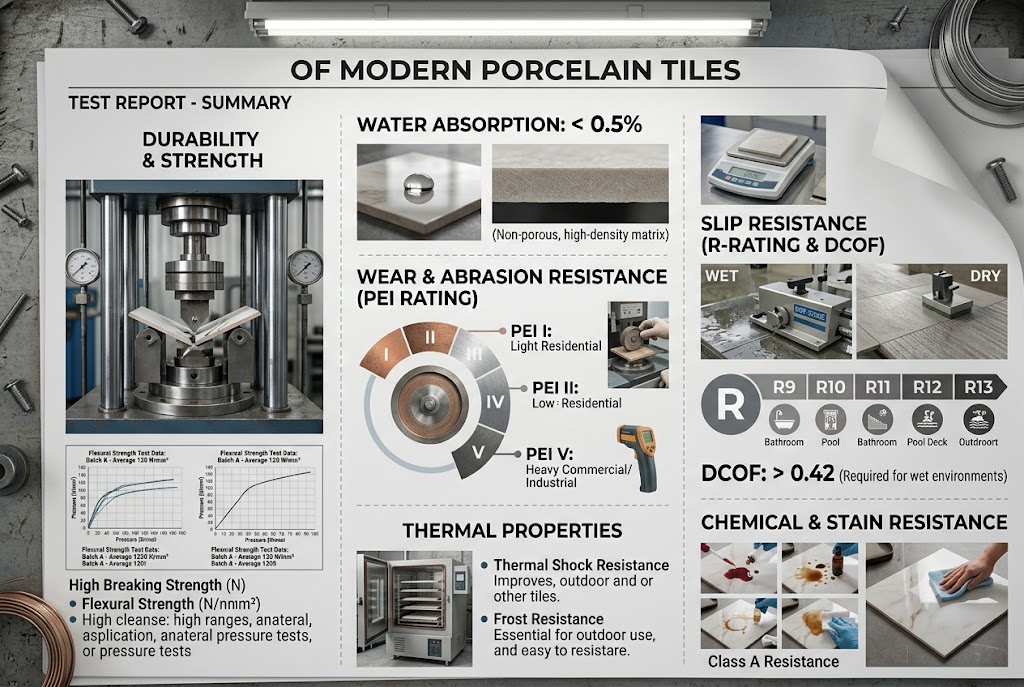
Earlier, tiles were seen as a final layer added for appearance. Today, they actively contribute to how a building performs. High-density porcelain tiles, manufactured under extreme pressure and heat, offer exceptional strength, low water absorption, and resistance to wear, making them suitable for high-load and high-traffic environments.
They don’t just cover the structure—they support it by distributing loads, protecting substrates, and increasing durability. This is why tile thickness, installation quality, and material selection are now critical engineering decisions, not just aesthetic ones.
Tiles as Architectural Design Tools
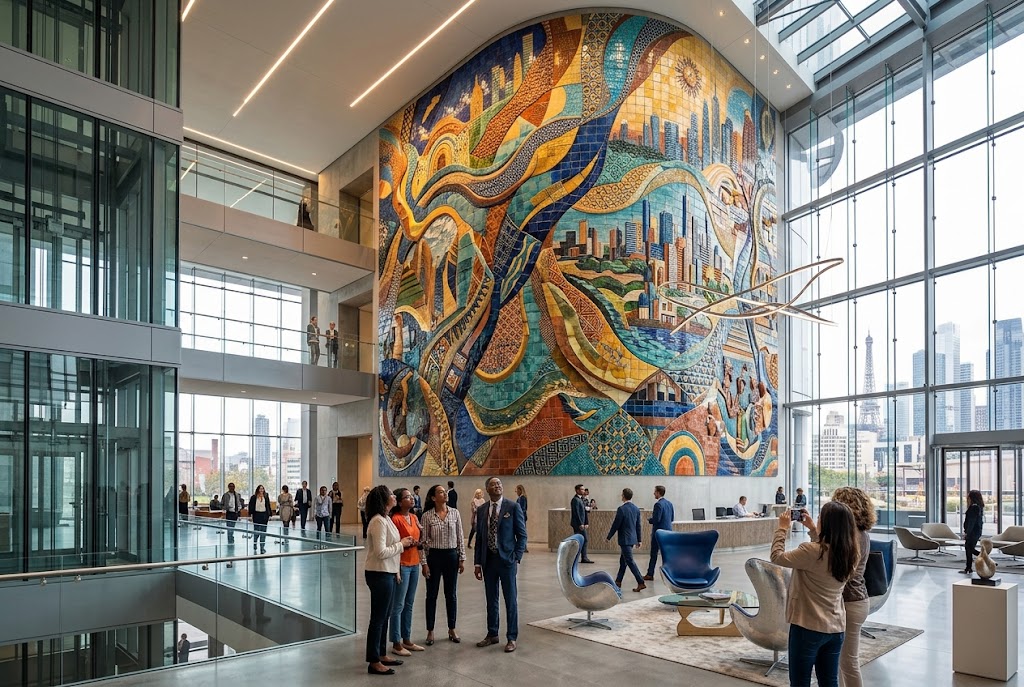
Modern architecture treats surfaces as part of spatial composition. Tiles help define geometry, proportions, and movement within a space. Large-format slabs (like 800x1600mm or 1200x2400mm) reduce joints and create seamless visual continuity, making spaces appear larger and more unified.
Architects use tiles to:
-
Guide visual flow across rooms
-
Connect indoor and outdoor spaces
-
Highlight structural elements like walls, columns, and facades
This makes tiles a design language, not just a covering.
Performance-Driven Building Material
Tiles today are engineered for performance:
-
Moisture resistance → ideal for wet areas and facades
-
Thermal stability → suitable for outdoor and extreme climates
-
Scratch & wear resistance → long-term durability
-
Low maintenance → cost-effective over lifecycle
Porcelain slab tiles, in particular, are known for maintaining their strength and appearance even under sunlight, heavy use, and environmental stress.
Role in Modern Construction Systems
Tiles are now used in advanced applications like:
-
Ventilated façades for energy efficiency
-
Raised flooring systems
-
Swimming pools and wet zones
-
Commercial high-traffic areas
In such uses, tiles act as protective and functional layers that enhance structural life and building efficiency.
The Future: Integrated Design Solutions
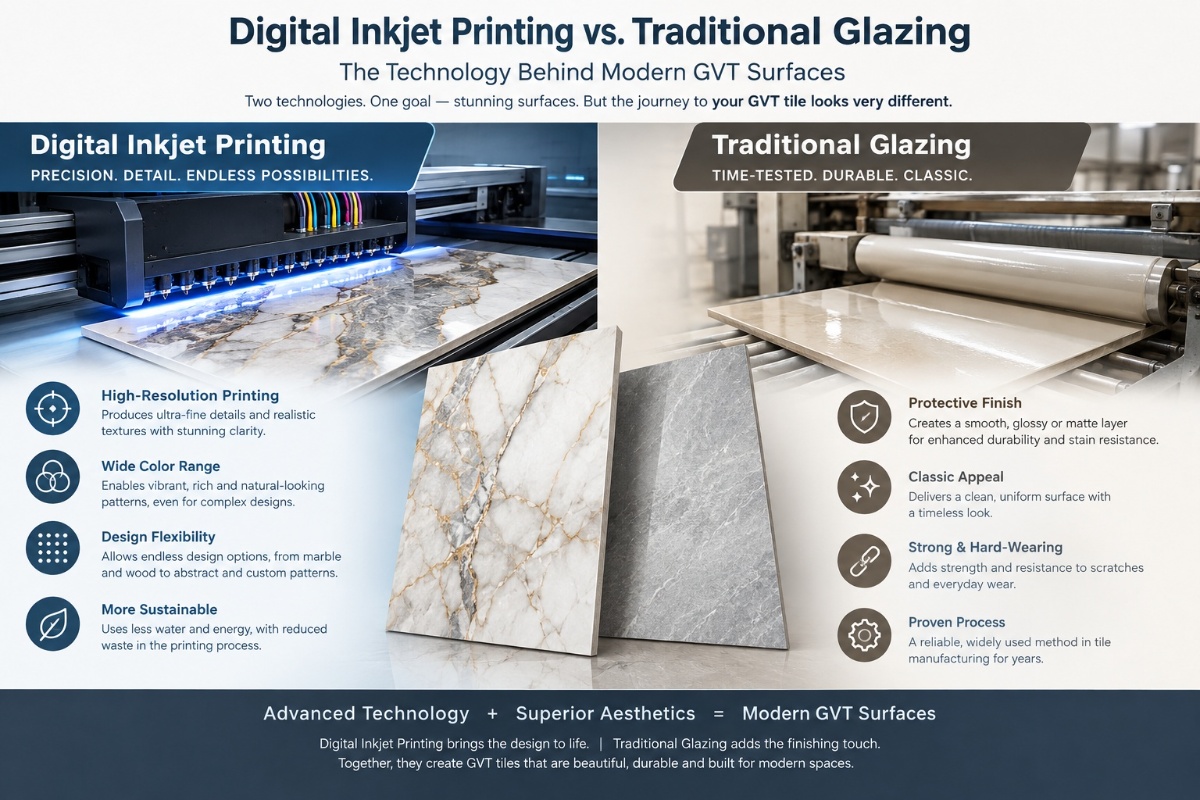
With advancements in digital printing, thickness variation (9mm–20mm), and large slab technology, tiles are becoming multi-functional building components. They combine:
-
Structure support
-
Surface protection
-
Aesthetic identity
Conclusion
Tiles are no longer just about looks. They are engineering materials, architectural tools, and long-term performance solutions. In modern construction, choosing the right tile means influencing not only design—but also strength, durability, and functionality of the entire space.