Understanding ISO, EN, and ANSI Tile Testing Standards in 2025: What They Mean for Your Projects
- Home
- Utility
- News & Blogs
- Understanding ISO, EN, and ANSI Tile Testing Standards in 2025: What They Mean for Your Projects
Understanding ISO, EN, and ANSI Tile Testing Standards in 2025: What They Mean for Your Projects
In 2025, global demand for high-quality ceramic and porcelain tiles continues to grow, and with it, the importance of international tile testing standards—especially ISO, EN, and ANSI—has become even more crucial. Whether you're an architect, contractor, or tile supplier, understanding these testing frameworks helps ensure durability, compliance, and safety across all projects.
🔠1. ISO Standards (International)
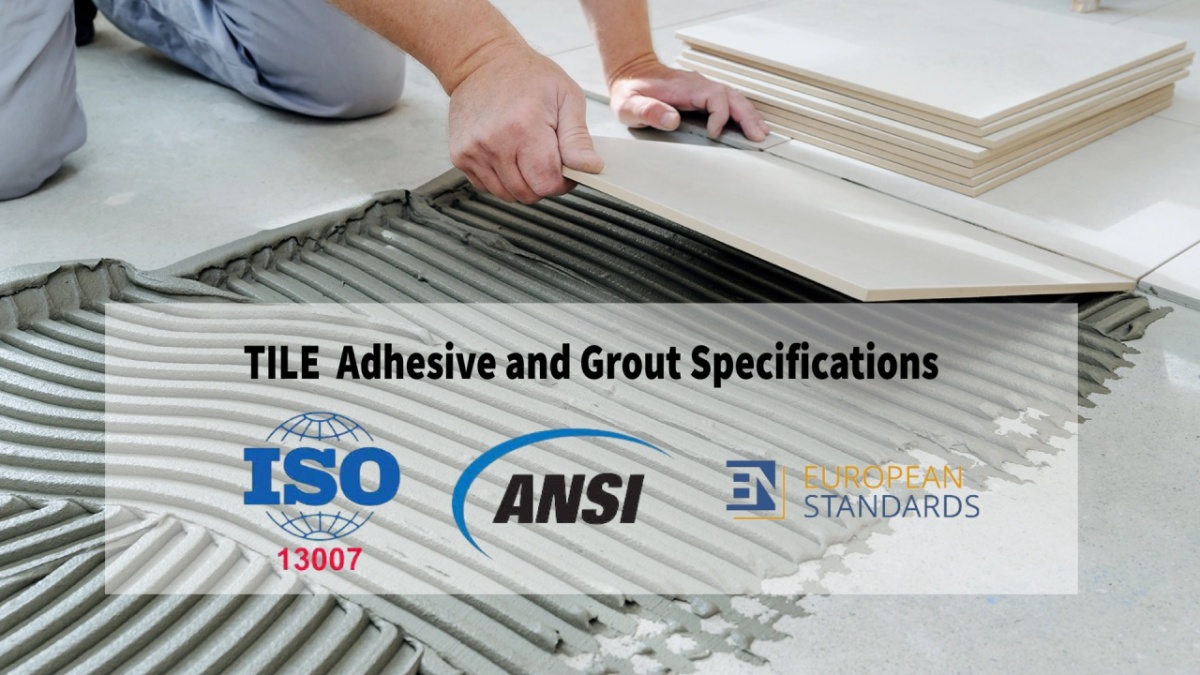
ISO (International Organization for Standardization) sets globally accepted benchmarks for tile performance. The most relevant standards include:
-
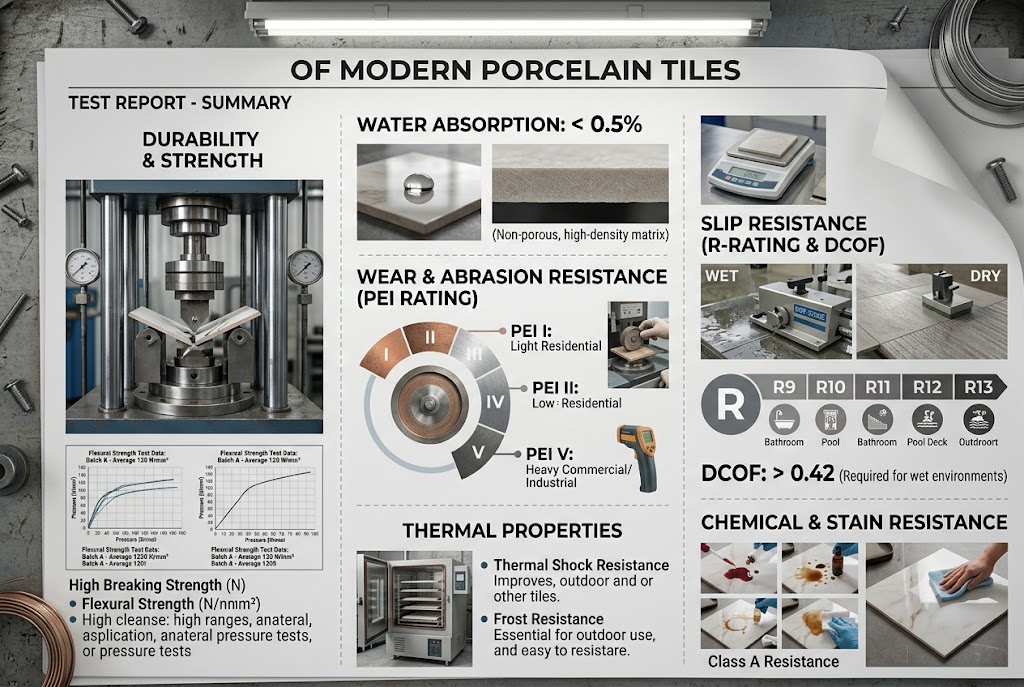
ISO 13006:2023 – Defines classification for ceramic tiles based on water absorption (e.g., BIa for porcelain with ≤ 0.5% water absorption).
-
ISO 10545 Series – Covers all mechanical, chemical, and thermal test methods:
-
Part 2: Dimensions and Surface Quality
-
Part 4: Breaking Strength and Modulus of Rupture
-
Part 12: Frost Resistance
-
Part 17: Anti-slip properties (dynamic coefficient of friction)
2. EN Standards (Europe)
(European Norms) are particularly relevant for tile exports to EU countries.
-
EN 14411:2022 – European counterpart of ISO 13006; governs tile classification and labeling.
-
EN 101 – Slip resistance measured via ramp testing (R9–R13 ratings).
-
EN ISO 10545 series – Adopted from ISO for EU harmonization, covering resistance to abrasion, chemicals, frost, etc.
3. ANSI Standards (USA)
ANSI (American National Standards Institute) governs tiles primarily used in the U.S. market, often combined with TCNA (Tile Council of North America) guidelines.
-
ANSI A137.1-2022 – Standard for ceramic tile types, sizes, warpage, and performance.
-
ANSI A326.3 – Focuses on Dynamic Coefficient of Friction (DCOF), where ≥0.42 is the threshold for interior wet floors.
-
ANSI A108/A118 – Installation and adhesive standards.
✅ Why These Standards Matter in 2025
-
International Trade Compliance: Ensures your tiles can be sold/exported globally.
-
Project Safety & Warranty: Helps avoid installation failures and safety hazards.
-
Performance Guarantee: Proves resistance to wear, slip, water, and chemicals.
-
Sustainability Alignment: Supports green building certifications (LEED, BREEAM).
Final Thoughts
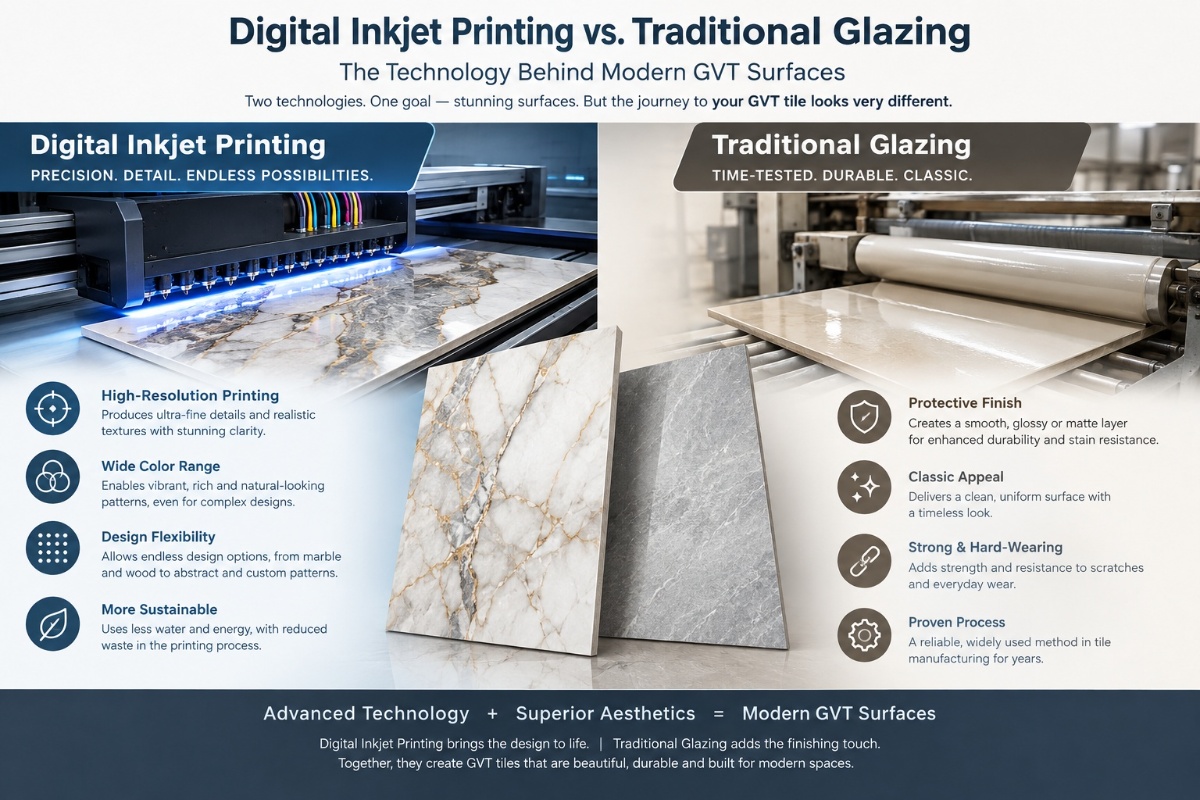
If you're sourcing tiles for international projects in 2025, choose suppliers that test tiles under ISO, EN, and ANSI standards. At Worldwave International, we specialize in certified GVT, PGVT, and porcelain tiles that meet all global testing norms—ensuring quality, durability, and compliance for your floors and walls.